Recent Thinking

Copyrightable Subject Matter – But Not for Animals
The picture to the left is a “self-portrait” taken by a female Celebes crested macaque in Indonesia. The macaque, who is named “Naruto,” picked up the camera of a photographer named David Slater and took the picture of herself with it. Look at her smiling at the camera. What a character.
Peter Rabbit Loses Copyright Protection
In the U.S., and many other countries, copyright protection lasts until the death of the creator plus 70 years. In 2014, creators who died in 1943 fall into the public domain. Some of those creators include author Beatrix Potter, Sergei Rachmaninoff, Nikola Tesla, Simone Weil, Radclyffe Hall, and Max Wertheimer.
Geneva, Switzerland – December, 2013
The World Intellectual Property Organization (WIPO) recently adopted Dr. Moore’s definition of a brand for their 2013 report on Global Brands. While endeavoring to find a comprehensive and academically accurate definition, WIPO adopted Dr. Moore’s groundwork…
False Advertising Can Destroy Brand Equity
Many food products are quietly removing the word “natural” from their labels amid a wave of lawsuits that have arisen to challenge the “naturalness” of many venerable natural food and beverage products within the $40 billion natural foods industry.
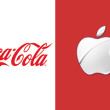
Brand Valuation and Corporate Assets
For the first time in the 20 year history of brand valuations, Coca-Cola is not the #1 brand in the world! This year Apple Computer has taken their place, and Coca-Cola, while growing over prior year, and has fallen to #3 in the ranking. What does this tell us about the value of corporate assets?

What Matters in Strategy
Rarely, it seems, do leaders or executives take the time to really think matters through today. Good judgment and deliberative strategic thinking is often eclipsed by trendy digital models of decision making that advocate determinations based on a “blink,” overconfidence, or committing resources on the basis of short-term emotion that later is seen as a poor choice.
Justice Comes to Standard-Essential Patents
The Courts are reining in the improper assertion of “standard-essential patents” in patent infringement lawsuits. Standard-essential patents are those “industry standard” patents that cover basic functions that all technological devices have to perform to operate seamlessly with one another. In Apple v Samsung, the International Trade Commission uncharacteristically found in favor of Samsung.
New SEC Regulations
The SEC has lifted an ancient ban that prevented advertising or the public solicitation of investors in private stock offerings. The new rule, which is part of the recent Jumpstart Our Business Startups Act of 2012, is meant to make it easier for hedge funds, private equity firms, and start-up businesses to find capital and create new jobs.
 As the knowledge-based economy expands, the companies and individuals that possess intangible intellectual assets, such as intellectual property, will need specialized expertise, strategic thinking, legal experience, and the wisdom necessary to manage intellectual assets.